
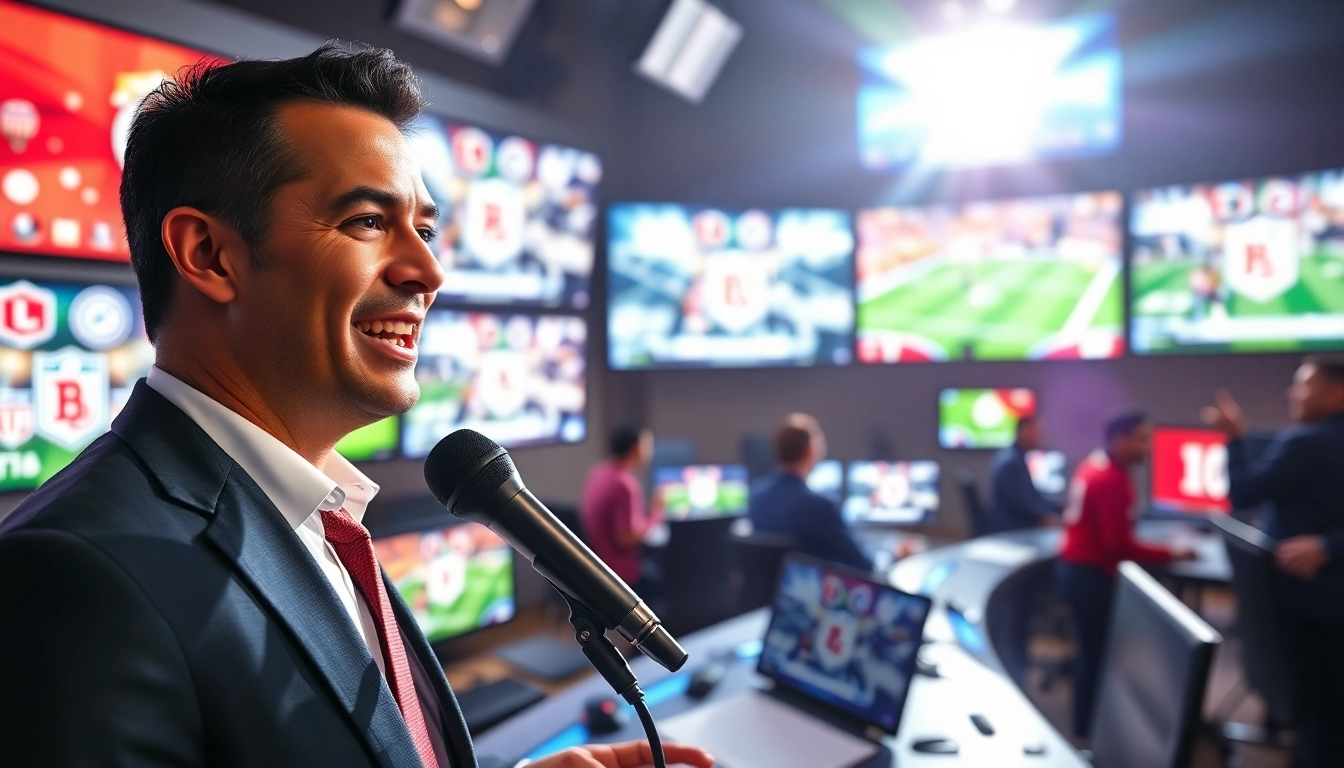
Insights into Sports Broadcasting Today
Current State of Sports Broadcasting
In the rapidly evolving landscape of Sports Broadcasting, the way fans engage with their favorite sports has fundamentally transformed. No longer confined to television screens, Sports Broadcasting has embraced a multifaceted approach, integrating various platforms, including streaming services and social media, to captivate audiences. Live events, highlights, and analysis are now available on-demand, providing viewers the flexibility to consume content at their convenience.
Key Players in the Market
The major players shaping the Sports Broadcasting market include traditional broadcasters, cable networks, and digital platforms. Sports networks have adapted to the rise of streaming services, forming strategic partnerships and launching their own platforms to maintain relevance and competition. This has led to a fragmented market where numerous entities vie for viewers’ attention.
Overview of Viewer Engagement
Viewer engagement has increased significantly with the advent of interactive features. Fans can participate in real-time polls, commentary, and social media engagements that enhance their viewing experience. Key metrics, such as viewer retention and interaction rates, are now crucial indicators that guide content strategies for Sports Broadcasting entities.
Technological Developments Shaping Sports Broadcasting
The Rise of Streaming Services
The shift toward on-demand viewing has propelled streaming services into the forefront of Sports Broadcasting. Platforms like Netflix and Hulu have expanded their portfolios to include sports content, promoting unique live events and original programming. The convenience of accessing games anytime, combined with the subscription-based revenue model, is reshaping the financial landscape of Sports Broadcasting.
Virtual and Augmented Reality in Sports
Virtual Reality (VR) and Augmented Reality (AR) technologies are innovating the viewing experience by offering immersive ways to engage with sports. VR can transport fans to the center of the action, while AR overlays crucial statistics and player information on the broadcast feed, creating a richer viewing experience. These technologies are projected to redefine fan engagement, making viewers feel part of the live action.
Innovations in Broadcasting Technology
New broadcasting technologies, such as 5G and advanced camera systems, are enhancing the quality of live sports coverage. With faster data transmission speeds, fans can enjoy high-definition streaming without interruptions, while innovations like ultra-slow-motion cameras provide deeper insights into game dynamics. The future promises even more sophisticated tools that will elevate the Sports Broadcasting experience.
Impact of Social Media on Sports Broadcasting
How Platforms Influence Fan Interaction
Social media has revolutionized how fans interact with sports content. Platforms like Twitter and Instagram serve as platforms for real-time interactions and community building around games and events. Fans can follow their favorite players, comment on matches, and share highlights instantaneously, leading to a more engaged and vocal audience.
User-Generated Content and Its Role
User-generated content, whether through social media posts, blogs, or video highlights, significantly enhances the Sports Broadcasting ecosystem. Fans contributing their own content fosters a sense of community and shared passion, which sports networks can leverage to create more personalized viewing experiences. This evolving interaction model highlights the audience's role not only as viewers but as active participants.
Case Studies of Successful Campaigns
Successful marketing campaigns in Sports Broadcasting often harness social media's power to enhance brand visibility and audience engagement. Notable examples include live-tweeting games and interactive fan polls that draw in massive participation. These case studies underline the importance of a well-crafted social media strategy that resonates with the audience and amplifies traditional Sports Broadcasting efforts.
Challenges Facing Sports Broadcasting
Content Licensing Issues
Licensing continues to be a prominent challenge in Sports Broadcasting, as networks compete for rights to broadcast events. The cost of securing these licenses has escalated, leading many networks to reconsider their spending strategies and content offerings. Negotiating licensing deals that satisfy both stakeholders and audience demands is essential for financial viability.
Managing Viewer Preferences
Understanding and managing viewer preferences has become increasingly complex. The proliferation of viewing options—including on-demand services, cable, and social media—requires Sports Broadcasting teams to stay ahead of trends and viewer habits to maintain relevance. Continuous audience research will be necessary to tailor content that meets evolving preferences effectively.
Adapting to Changing Technology
The continual evolution of technology poses both a challenge and an opportunity for Sports Broadcasting. Adapting to new platforms and tools must occur while ensuring a consistent viewer experience across all formats. Embracing innovation while preserving quality is essential for attracting and retaining an audience.
The Future of Sports Broadcasting
Predicted Trends for the Next Decade
The future holds significant potential for Sports Broadcasting, driven by anticipated trends such as personalized viewing experiences, AI-driven analytics, and seamless multi-platform integration. Viewers will increasingly expect tailored content that aligns with their preferences, pushing broadcasters to employ data analytics to enhance the viewing experience continuously.
Opportunities for New Entrants
While established players dominate the arena, the rise of digital platforms presents opportunities for new entrants. Innovative startups can leverage niche markets, offering unique experiences or focusing on underserved sports demographics. Combining creative content with technology will be vital for these new players to carve out a competitive stance.
Strategies for Growth and Engagement
Success in Sports Broadcasting will hinge on strategic collaborations, leveraging analytics for audience insights, and embracing emerging technologies. Building strong partnerships with technology companies can yield cutting-edge innovations, while focusing on interactive and immersive content will engage today's tech-savvy audiences. Growth will also depend on adaptability—quickly responding to both market demands and technological advancements.
FAQs about Sports Broadcasting
What is the primary format of sports broadcasting?
Sports broadcasting primarily utilizes television and streaming platforms to deliver live events and news coverage to viewers.
How has digital media influenced sports broadcasting?
Digital media has allowed for on-demand content, increased viewer interaction, and expanded global reach through various platforms.
What role do advertisers play in sports broadcasting?
Advertisers provide funding and sponsorships, which are critical for sports networks to bring programming to viewers, often enhancing the viewing experience.
Are there any emerging technologies in sports broadcasting?
Yes, technologies like 5G, augmented reality, and artificial intelligence are increasingly being used to enhance delivery and viewer engagement in sports broadcasting.
How can viewers access sports broadcasting?
Viewers can access sports broadcasting through traditional cable subscriptions, streaming services, and various digital platforms available on mobile devices.